

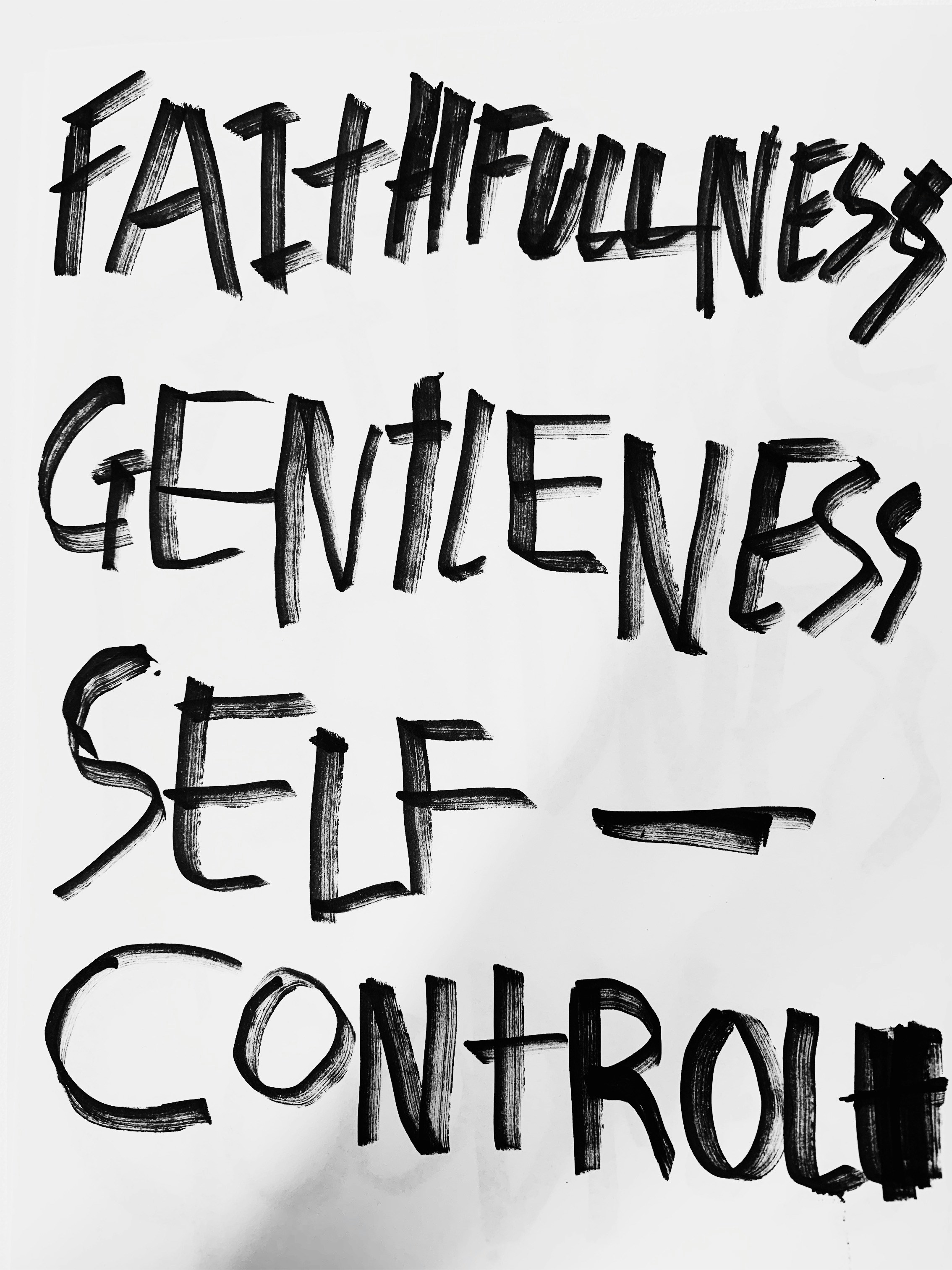
Understanding Pursuit in a Spiritual Context
Pursuing righteousness is more than just a passive longing; it is an active, intentional effort. In 1 Timothy 6:11, the scripture encourages believers to “pursue righteousness, godliness, faith, love, patience, and gentleness.” The Greek term for pursue, “dioko,” emphasizes a vigorous chase, representing the essence of our journey toward divine qualities.
The Greek word translated pursue is diōkō. It means to chase, to run after, to press forward with intensity until what you are pursuing overtakes you. This word is often used elsewhere in Scripture for persecution—the idea of something being followed with relentless determination.
That tells us something important:
God expects us to chase His character with the same intensity the world chases us with pressure, fear, and distraction.
The Call to Chase After God
When we pursue God, we are not merely wandering; we are actively chasing after Him and His righteousness. This pursuit requires dedication, much like a runner focused on crossing the finish line. It’s about committing to a relationship that shapes our lives through faith and love. By embracing patience and gentleness, we open ourselves to the transformative power of God’s character.
What I sense deeply is this:
God is not calling me merely to admire spiritual virtues from a distance. He is calling me to run after them until they become my atmosphere.
Not until I understand them.
Not until I agree with them.
But until they overtake me.
I want righteousness to pursue me.
I want godliness to shape my instincts.
I want faith to govern my reactions.
I want love to define my tone.
I want patience to steady my spirit.
I want gentleness to restrain my strength.
This is not about self-improvement.
This is about formation through holy pursuit.
A fuller definition would be this:
To pursue is to intentionally order your life so that God’s character is what you are running toward, day after day, until it reshapes how you think, respond, and live.
Making the Pursuit Intentional
To pursue righteousness, we must make it a part of our daily intention. We should strive every day to reflect God’s qualities in our actions and thoughts. This can involve prayer, engaging with scripture, and fostering relationshipPursue – I heard the Holy Spirit says pursue. 1 Timothy 6:11 says “Pursue righteousness, godliness, faith, love, patience, gentleness.” This work pursue in the Greek is “Dioko” which means to chase, to run after, to pursue until taken over. I guess this is what I am feeling in my heart. I want to pursue God and his righteousness, godliness, faith, love patience and gentleness until I catch it all and it overtakes me. A great definition is “To actively and relentlessly run after God, His character, and His purposes with intentional effort until they shape your life.”s that help us grow spiritually. Ultimately, the goal is to allow these qualities to overtake us, becoming integral aspects of our identity.
As we actively and relentlessly run after God and His purposes, let us remember that this journey is not just about the destination. It’s about enjoying the process of growing closer to Him, which enriches our lives and impacts those around us. Let the pursuit of righteousness guide us on our path of faith.
Pursuit Requires Direction, Not Emotion
Pursuit is proven not by how strongly we feel, but by what we move toward consistently.
1. Pursuing righteousness means choosing alignment over comfort
Righteousness is not perfection; it is right alignment with God.
You pursue righteousness when you choose what is right even when it costs you approval, ease, or speed.
Practice:
Each day, ask one honest question:
“Lord, where do my desires need to realign with Your truth today?”
Then obey in that one place. Pursuit always begins with one obedient step.
2. Pursuing godliness means living consciously before God
Godliness is not religious performance; it is God-awareness shaping daily life.
You pursue godliness when you live as though God is present in ordinary moments—not just sacred ones.
Practice:
Set intentional pauses in your day (before meals, before decisions, before conversations) and quietly acknowledge:
“Father, I live this moment before You.”
This turns ordinary life into holy ground.
3. Pursuing faith means acting on God’s Word before outcomes are visible
Faith grows not by waiting for certainty, but by trusting God while clarity is still forming.
You pursue faith when you act on what God has said even while emotions argue otherwise.
Practice:
Identify one area where fear has governed your choices. Replace fear with a deliberate act of trust—small but intentional.
Faith pursued becomes faith embodied.
4. Pursuing love means choosing Christlike responses over natural reactions
Love is not passive kindness; it is self-giving strength.
You pursue love when you respond with grace where retaliation would feel justified.
Practice:
When irritation arises, pause before speaking and ask:
“What response here reflects Christ, not my flesh?”
Love that is pursued reshapes relationships.
5. Pursuing patience means surrendering control over timing
Patience is not inactivity; it is faithful endurance.
You pursue patience when you resist the urge to force outcomes and instead trust God’s process.
Practice:
When delayed or frustrated, pray:
“Lord, teach me to trust Your work in this season.”
Patience pursued produces stability of soul.
6. Pursuing gentleness means placing strength under God’s authority
Gentleness is not weakness; it is power restrained by humility.
You pursue gentleness when you choose humility over dominance, listening over defending, softness over force.
Practice:
Lower your voice. Slow your response. Allow the Spirit to govern your strength.
Gentleness pursued transforms influence.
Why This Matters
What you pursue determines what eventually overtakes you.
If you pursue fear, fear will shape you.
If you pursue control, anxiety will follow.
If you pursue comfort, stagnation will set in.
But if you pursue God Himself and His character, His life will begin to shape yours from the inside out.
A Closing Prayer
Father, I choose pursuit over passivity.
I refuse to live at a distance from Your heart.
Teach me to run after Your righteousness, Your ways, and Your character until they overtake me and form me.
Let what I pursue become what I livUnderstanding Pursuit in a Spiritual ContextPursuing righteousness is more than a passive longing or a good intention. Scripture presents pursuit as an active, intentional effort. In 1 Timothy 6:11, the apostle Paul urges believers to “pursue righteousness, godliness, faith, love, patience, and gentleness.” The Christian life is not lived by drifting toward God, but by deliberately running after Him.
The Greek word translated pursue is diōkō. It means to chase, to run after, to press forward with intensity until what you are pursuing overtakes you. This word is often used in Scripture to describe persecution—something pursued relentlessly and without distraction.
That tells us something important:
God expects us to chase His character with the same intensity the world chases us with pressure, fear, and distraction.The Call to Chase After God
When we pursue God, we are not wandering spiritually. We are actively chasing after Him and His righteousness. This pursuit requires dedication, much like a runner focused on crossing the finish line. It is not about religious performance, but about relationship—allowing God’s character to shape how we think, respond, and live.
What I sense deeply is this:
God is not calling us to admire spiritual virtues from a distance.
He is calling us to run after them until they become our atmosphere.Not until we understand them.
Not until we agree with them.
But until they overtake us.I want righteousness to pursue me.
I want godliness to shape my instincts.
I want faith to govern my reactions.
I want love to define my tone.
I want patience to steady my spirit.
I want gentleness to restrain my strength.This is not self-improvement.
This is formation through holy pursuit.To pursue God is to intentionally order your life so that His character is what you are running toward day after day—until it reshapes how you think, respond, and live.
Making the Pursuit Intentional
Pursuit does not happen accidentally. It must become a daily intention. Prayer, Scripture, obedience, and relationship with God are not spiritual extras; they are the pathways of pursuit. Over time, what we consistently pursue begins to shape who we are.
The goal is not merely spiritual growth, but transformation. God does not want us to talk about righteousness—He wants righteousness to take hold of us.
Pursuit Requires Direction, Not Emotion
Pursuit is proven not by how strongly we feel, but by what we consistently move toward.
1. Pursuing righteousness means choosing alignment over comfort
Righteousness is not perfection; it is right alignment with God. We pursue righteousness when we choose what is right even when it costs us ease, approval, or speed. Pursuit always begins with one obedient step.
2. Pursuing godliness means living consciously before God
Godliness is not religious performance; it is God-awareness shaping everyday life. When we live as though God is present in ordinary moments, ordinary moments become holy ground.
3. Pursuing faith means acting on God’s Word before outcomes are visible
Faith grows not by waiting for certainty, but by trusting God while clarity is still forming. We pursue faith when we act on what God has said even while emotions argue otherwise.
4. Pursuing love means choosing Christlike responses over natural reactions
Love is not passive kindness; it is self-giving strength. When we respond with grace where retaliation would feel justified, love reshapes our hearts and our relationships.
5. Pursuing patience means surrendering control over timing
Patience is not inactivity; it is faithful endurance. We pursue patience when we resist the urge to force outcomes and instead trust God’s process.
6. Pursuing gentleness means placing strength under God’s authority
Gentleness is not weakness; it is power restrained by humility. When the Spirit governs our tone, words, and responses, gentleness becomes a powerful witness.
Why This Matters
What you pursue determines what eventually overtakes you.
If you pursue fear, fear will shape you.
If you pursue control, anxiety will follow.
If you pursue comfort, stagnation will set in.But if you pursue God Himself and His character, His life will shape yours from the inside out.
A Closing Prayer
Father, I choose pursuit over passivity.
I refuse to live at a distance from Your heart.
Teach me to run after Your righteousness, Your ways, and Your character until they overtake me and form me.
Let what I pursue become what I live.
In Jesus’ name, amen.Key Scriptures on Pursuing God (NKJV)
1 Timothy 6:11 (NKJV)
“But you, O man of God, flee these things and pursue righteousness, godliness, faith, love, patience, gentleness.”Psalm 63:1 (NKJV)
“O God, You are my God;
Early will I seek You;
My soul thirsts for You;
My flesh longs for You
In a dry and thirsty land
Where there is no water.”Matthew 6:33 (NKJV)
“But seek first the kingdom of God and His righteousness, and all these things shall be added to you.”Proverbs 21:21 (NKJV)
“He who follows righteousness and mercy
Finds life, righteousness, and honor.”Philippians 3:12–14 (NKJV)
“Not that I have already attained, or am already perfected; but I press on, that I may lay hold of that for which Christ Jesus has also laid holde.
In Jesus’ name, amen.
Devotional Questions
What am I actively pursuing in this season of my life, and how does it compare to the pursuit of God’s character described in Scripture?
Which area—righteousness, godliness, faith, love, patience, or gentleness—do I sense God calling me to pursue more intentionally right now?
What one daily practice can I begin or strengthen that will help me consistently run after God until His ways shape how I think, respond, and live?
No responses yet